Applications
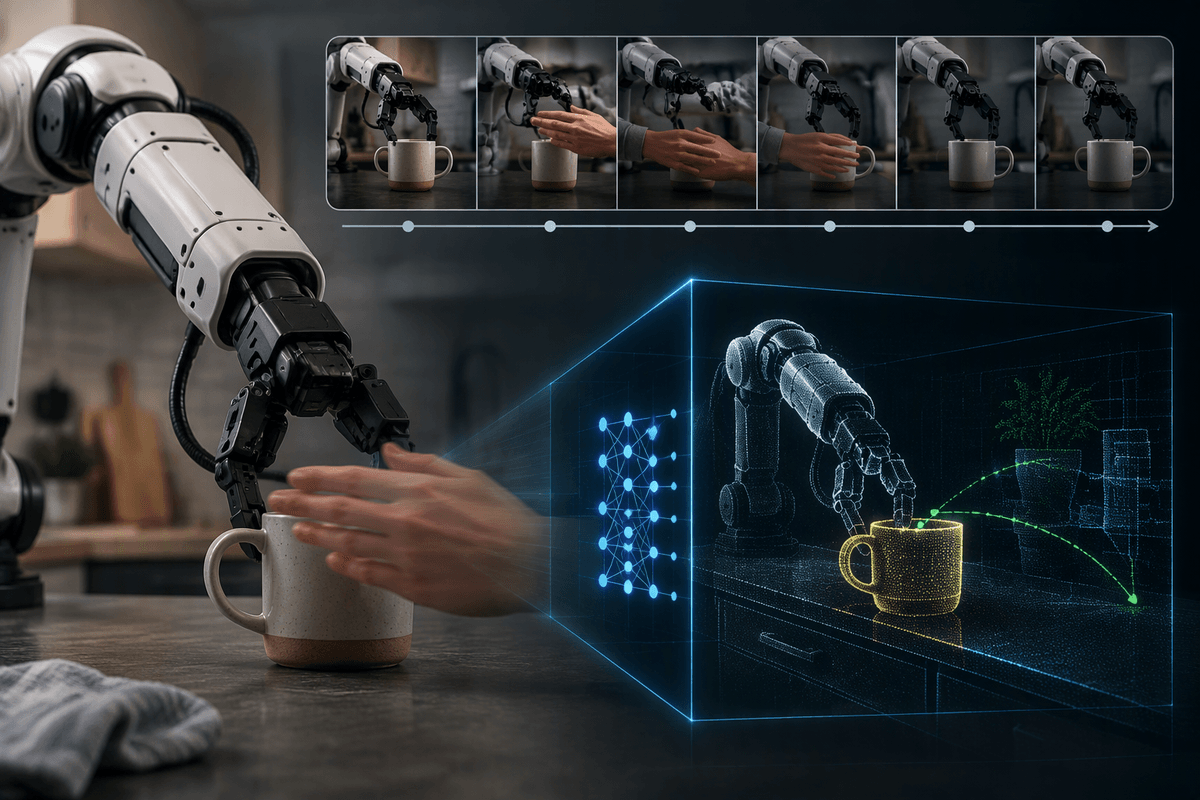
Robots Need Video Models to Make Sense of Physical Scenes
Explains why robots need video models to infer world state over time—tracking occlusion, motion, and contact—to improve planning under real latency limits.

Applications
Robotaxis Are Becoming Part of Everyday Transportation
Learn where robotaxis operate today, what rides feel like, and the real limits on safety, cost, accessibility, and coverage as they become everyday transport.

Applications
Canva AI Brings More of the Design Process Into AI
Canva AI is moving from a single feature to a workflow assistant—drafting copy, layouts, and variations fast, while requiring brand checks, review, and rights oversight.
Applications
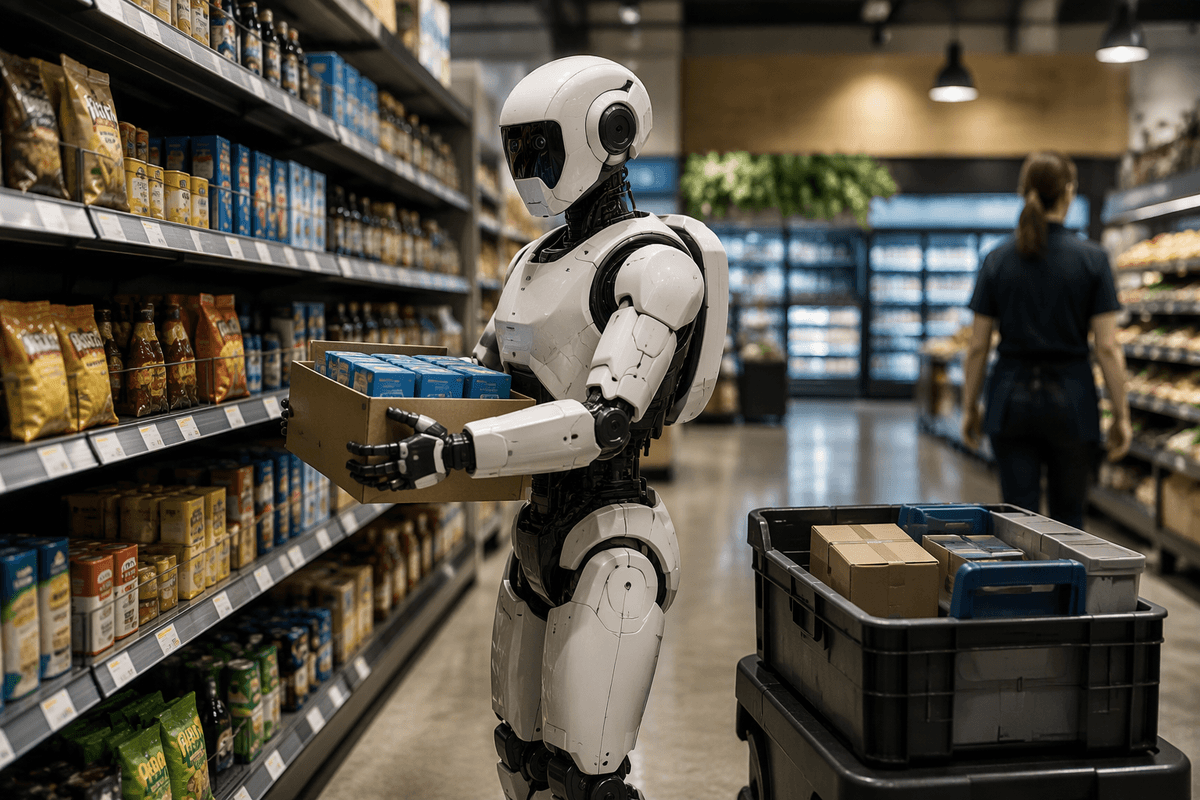
Humanoid Robots Are Moving Into Retail Work
Humanoid robots are entering retail work. Learn which tasks fit, customer trust issues, hidden infrastructure, real ROI drivers, job impacts, and how to run a pilot.

Applications
Could AI Help Discover New Medicines in Space?
Explore how AI could support drug discovery in space by selecting microgravity experiments, improving protein crystals, and working around tiny samples and hardware limits.
Applications
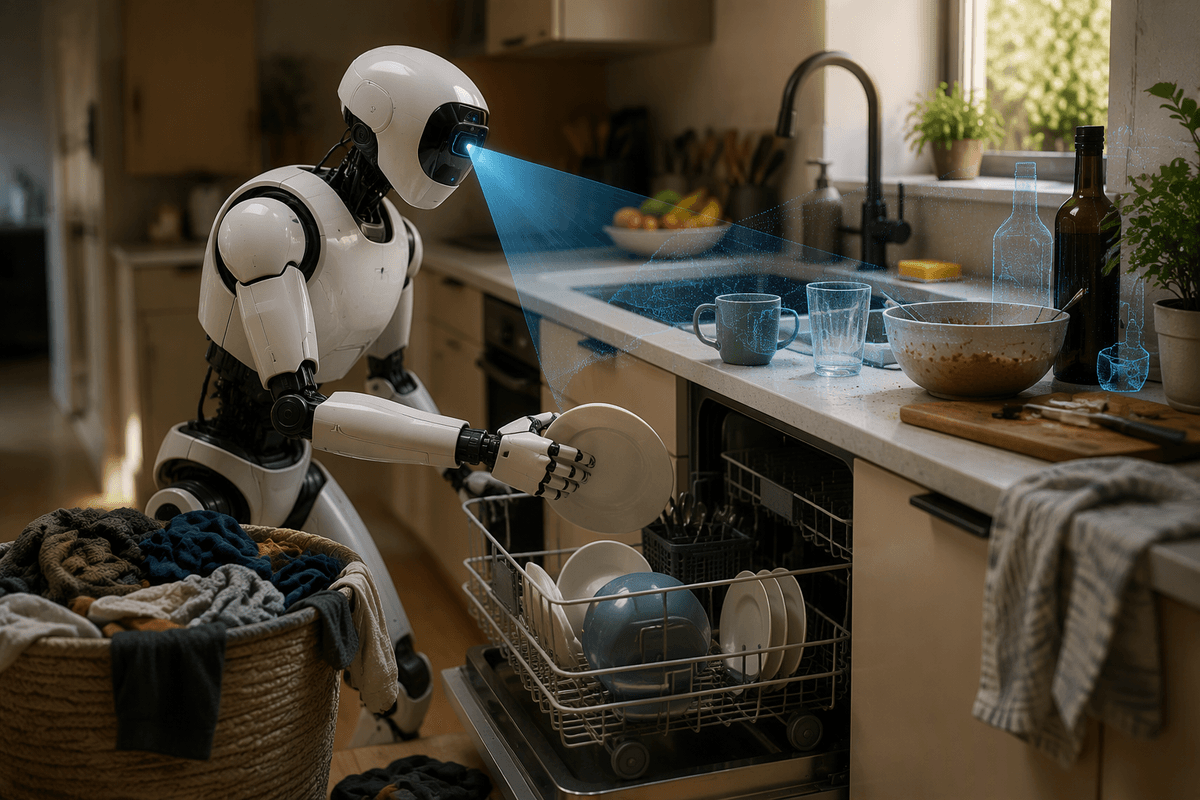
What Does It Take for a Robot to Handle Household Chores?
Learn why household chore robots still struggle in real homes—and how computer vision and task planning must work together for safe, reliable chores.
Applications
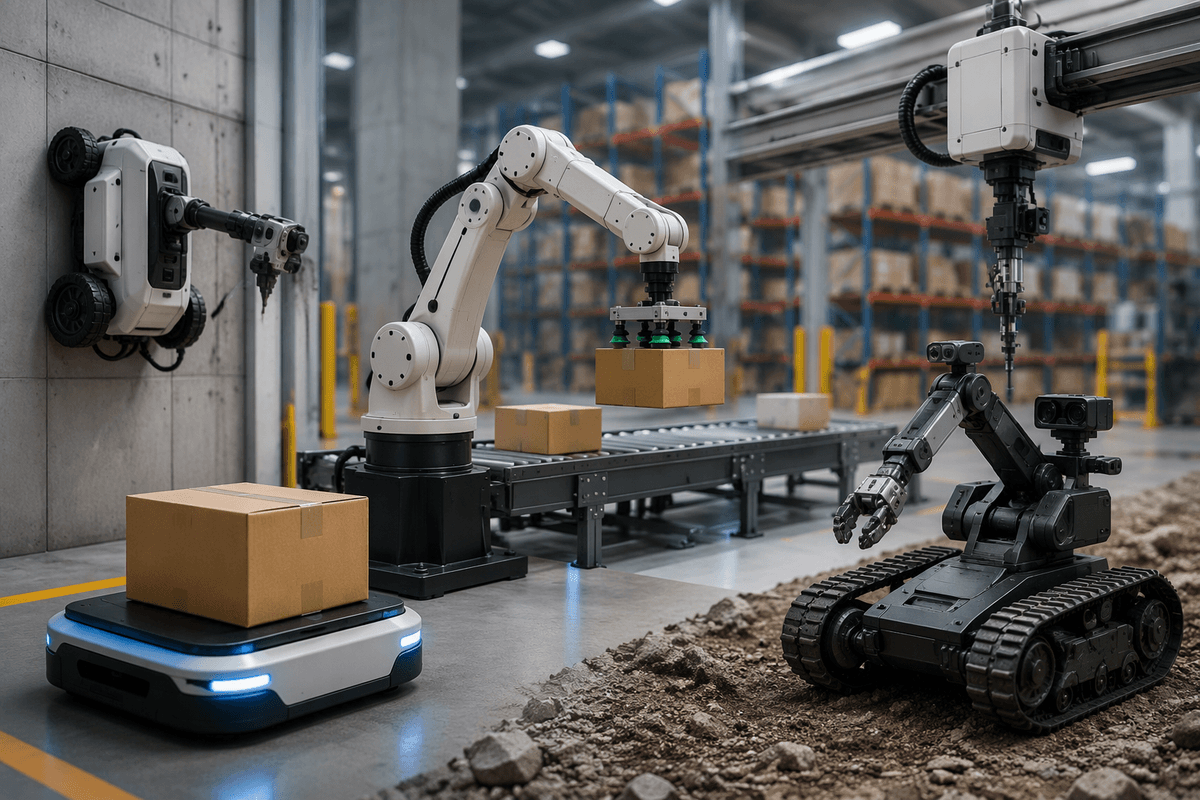
Not Every Robot Needs a Human-Like Shape
Learn why non-humanoid robots outperform human-shaped designs in real work, and how to choose bodies and tools based on task, workspace, safety, and cost.
Applications
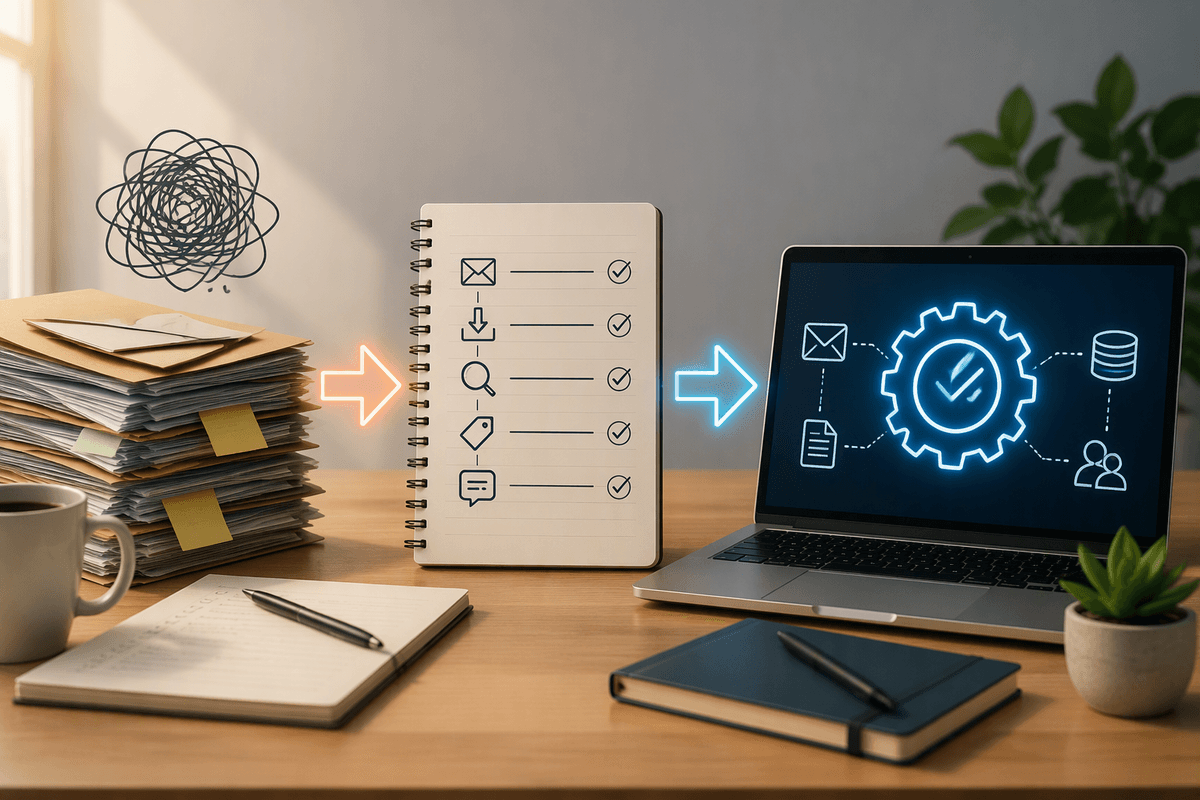
Useful Automation Begins With a Clear Task, Not the Technology
Learn how to start automation with a clear job-to-be-done: pick one repetitive task, document it like a recipe, standardize, then choose tools and pilot safely.
Applications
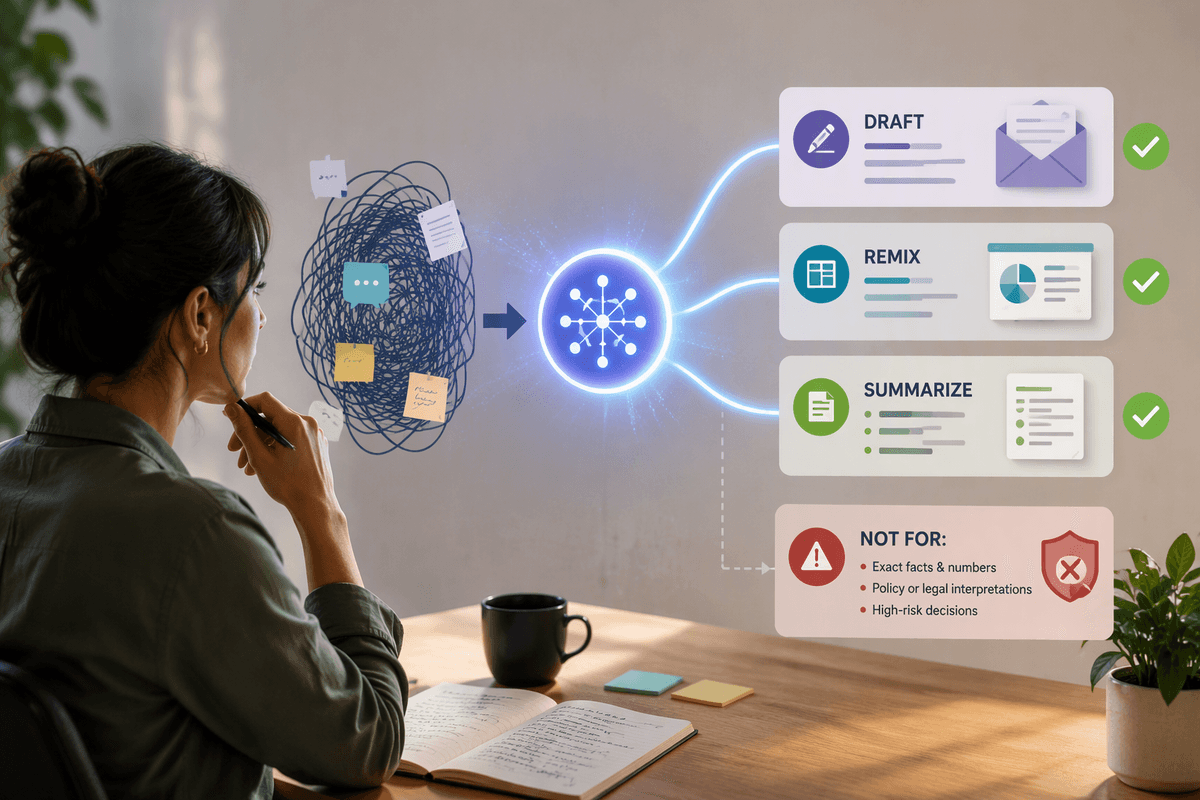
Generative AI Is Not Equally Useful for Every Knowledge-Work Task
Learn why generative AI is best for narrow tasks like drafting, remixing, and summarizing—and when accuracy, context, and accountability make it less useful.