From novelty to normal: why robotaxis matter now
A few years ago, a driverless car was something you’d point at. Now, in a handful of U.S. cities, it’s closer to an everyday option you can request the same way you’d call a rideshare—mostly for specific neighborhoods, at specific times, under specific conditions. That shift matters because it changes the question from “Is this possible?” to “When is this useful?”
Robotaxis matter most in the boring moments: getting to dinner without hunting for parking, making a late-night trip when transit is thin, or covering the “last mile” from a station to home. They also expose real trade-offs commuters care about—coverage limits, weather pauses, occasional odd routing, and the simple cost of operating a fleet packed with sensors and remote support.
Where robotaxis actually operate—and the limits you’ll hit
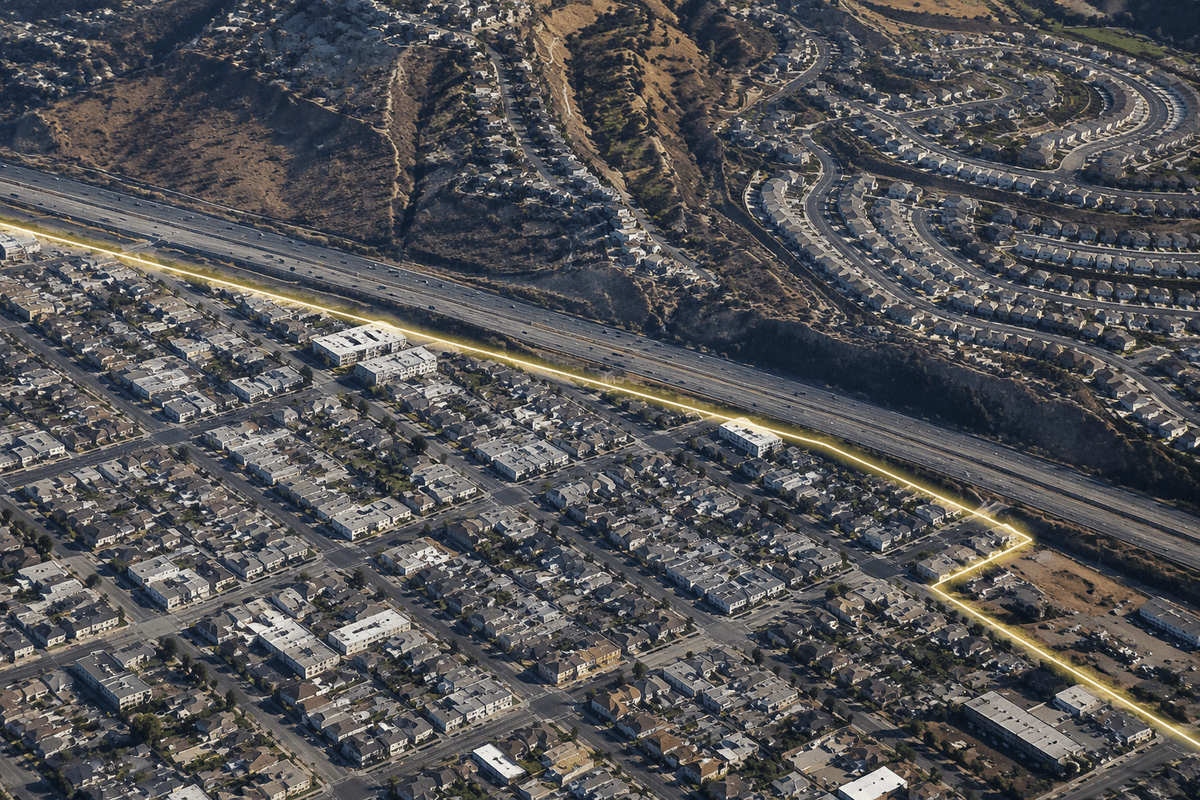
You’ll usually discover the real footprint the first time you open the app: the car is available, but only inside a shaded “service area,” and sometimes only after you’ve been approved for a pilot. In the U.S., most robotaxi service is still concentrated in specific parts of a few cities—often flatter, well-mapped neighborhoods with predictable streets—rather than truly citywide coverage. That means a pickup a few blocks away might work, while an address across a freeway, up a steep hill, or in a newer subdivision won’t.
The limits can feel a lot like transit rules: hours can be restricted, airports and highways may be off-limits, and heavy rain, fog, or unusual road work can pause service. Even when it’s “driverless,” there’s usually remote support behind the scenes, which adds cost and can translate into longer waits during busy periods.
What a robotaxi ride looks like in practice
The first surprise is how familiar it feels. You request a ride in a dedicated app or a robotaxi option inside a partner app, pick a pickup point inside the service area, and wait like you would for any rideshare. When the car arrives, you confirm it’s yours—often by matching the license plate and tapping an “unlock” button or using a short in-app check. The doors unlock, the cabin is usually tidy and minimal, and you’ll see a screen that shows the route and basic status.
Once you buckle in, the ride is typically calm but slightly more literal than a human driver: careful turns, full stops, steady acceleration, and a tendency to yield rather than “assert” into gaps. If the car gets confused by a blocked lane or a messy pickup zone, it may pause and reroute, or briefly connect to remote support. That can add minutes, especially around big events or construction.
Safety, trust, and the awkward moments on the road
You’ll probably trust the car’s basic driving before you trust the situation around it. Robotaxis tend to be conservative: they leave more space, hesitate at complicated turns, and take longer to merge. That can feel safe on quiet streets and mildly stressful when other drivers get impatient, honk, or squeeze around. The awkward moments are usually social, not mechanical—people waving you through when you can’t wave back, pedestrians testing whether the car will yield, or a stop that feels “too correct” when everyone else is rolling.
The practical safety question is less “Will it crash?” and more “What happens when it can’t decide?” Most systems will pull over, wait, reroute, or escalate to remote support, which is reassuring but not instant. If you’re late for a flight or stuck in event traffic, that extra caution can turn into real delay.
Cost and convenience: when robotaxis beat rideshare or transit
You notice the value of a robotaxi when your usual choice is either pricey rideshare surge or a long, indirect transit trip. Pricing varies by city and operator, but the pattern is consistent: they’re most competitive on short-to-medium rides within the service zone, especially at times when human-driver availability drops and wait times climb. If a Friday night pickup normally means 12 minutes of watching drivers cancel, a robotaxi that simply arrives can feel like the cheaper option even if the fare is similar.
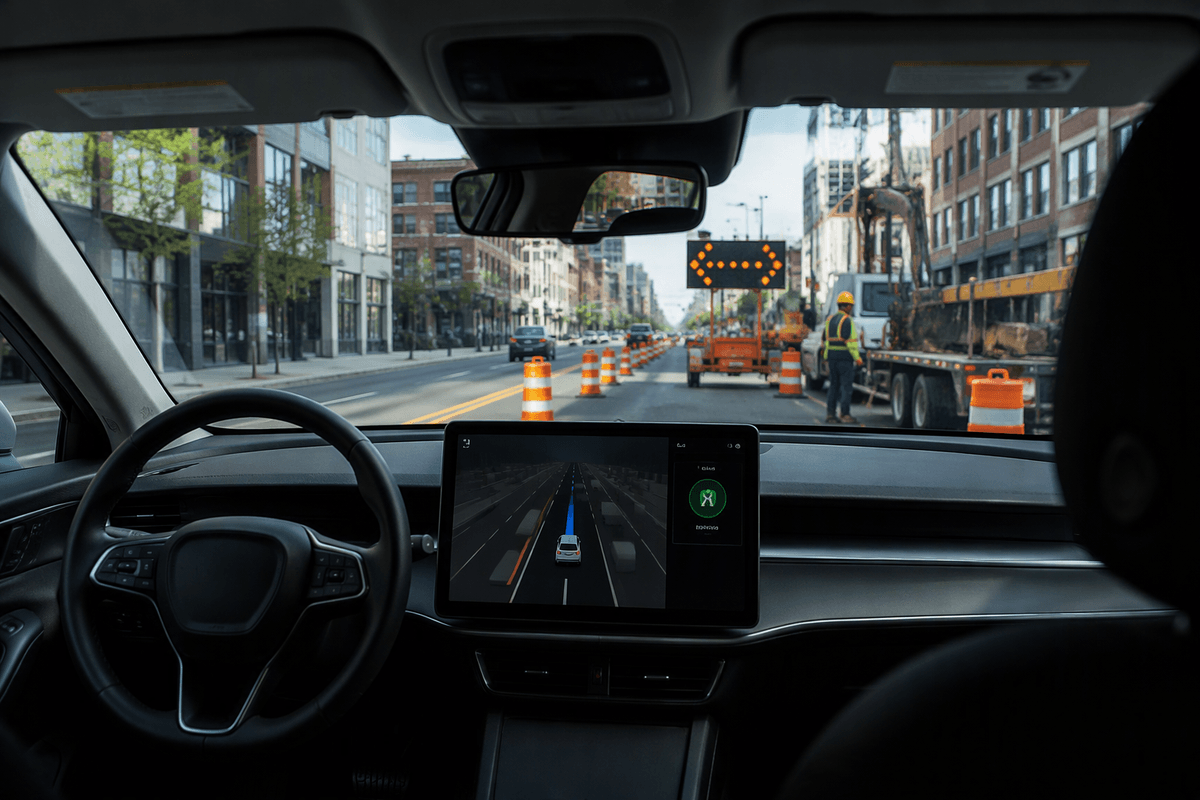
The car won’t ask to change the destination or stop for gas, and the driving tends to be smooth. The trade-off is time risk in the opposite direction: cautious routing, extra minutes around construction, and occasional pauses for remote support can erase any “savings” if you’re on a tight schedule.
Accessibility, luggage, kids, and other real-world constraints
If you rely on specific accommodations, the details matter more than the novelty. Many robotaxi fleets can handle a folded wheelchair or walker, but true wheelchair-accessible vehicles are often limited, require a different request flow, or aren’t available in your zone at all. Curb design also shows up fast: an “easy” pickup on the map can still mean a high curb, a narrow shoulder, or a no-stopping block that forces a short walk.
Families and travelers hit similar friction. Car seats are on you, and you may need extra time to load kids while the car waits at the curb. Trunks can be smaller than you expect because of hardware and safety gear, so bulky strollers or multiple suitcases may not fit. Add the no-airport or no-highway rules in some cities, and a trip that’s perfect for a dinner run can be a bad bet for luggage day.
How to try your first ride without overthinking it
Most first rides go best when you treat it like a low-stakes errand, not a test. Pick a simple route you already know—midday, decent weather, no tight connections—so a cautious left turn or a brief pull-over won’t ruin your plan. Use a pickup spot with space to stop (a quiet curb, a marked rideshare zone), and plan to walk a half block if the app nudges you away from a crowded corner.
Before you tap “request,” check three things: the service area boundary, any time-of-day limits, and whether your destination is likely to trigger a handoff (airports, highways, big event venues). Bring your own car seat if you need one, assume trunk space is modest, and keep a backup option in mind for the ride home.
What to watch next as robotaxis blend into cities
You’ll know robotaxis are truly blending in when they stop feeling like a special mode and start behaving like a dependable layer: more neighborhoods connected, fewer “dead zones” near freeways, and clearer rules for airports, events, and curb pickup. Watch for the unglamorous improvements—better handling of construction, smoother interactions at busy drop-off areas, and more consistent ETAs when demand spikes.
Also pay attention to what cities require: designated pickup/loading space, data-sharing around incidents, and how accessible vehicles are actually deployed. The biggest constraint may stay practical, not technical: limited fleets mean long waits at the exact moments you most want a ride.