Applications
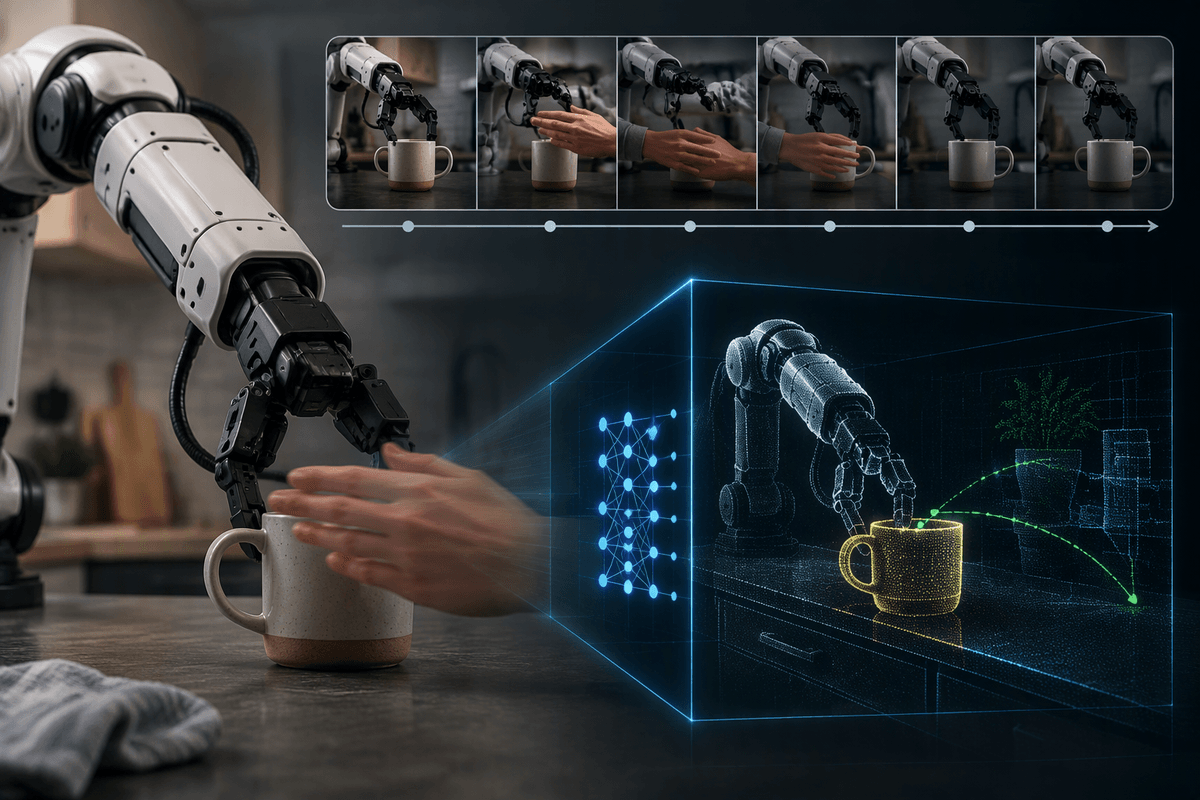
Robots Need Video Models to Make Sense of Physical Scenes
Explains why robots need video models to infer world state over time—tracking occlusion, motion, and contact—to improve planning under real latency limits.
Technologies
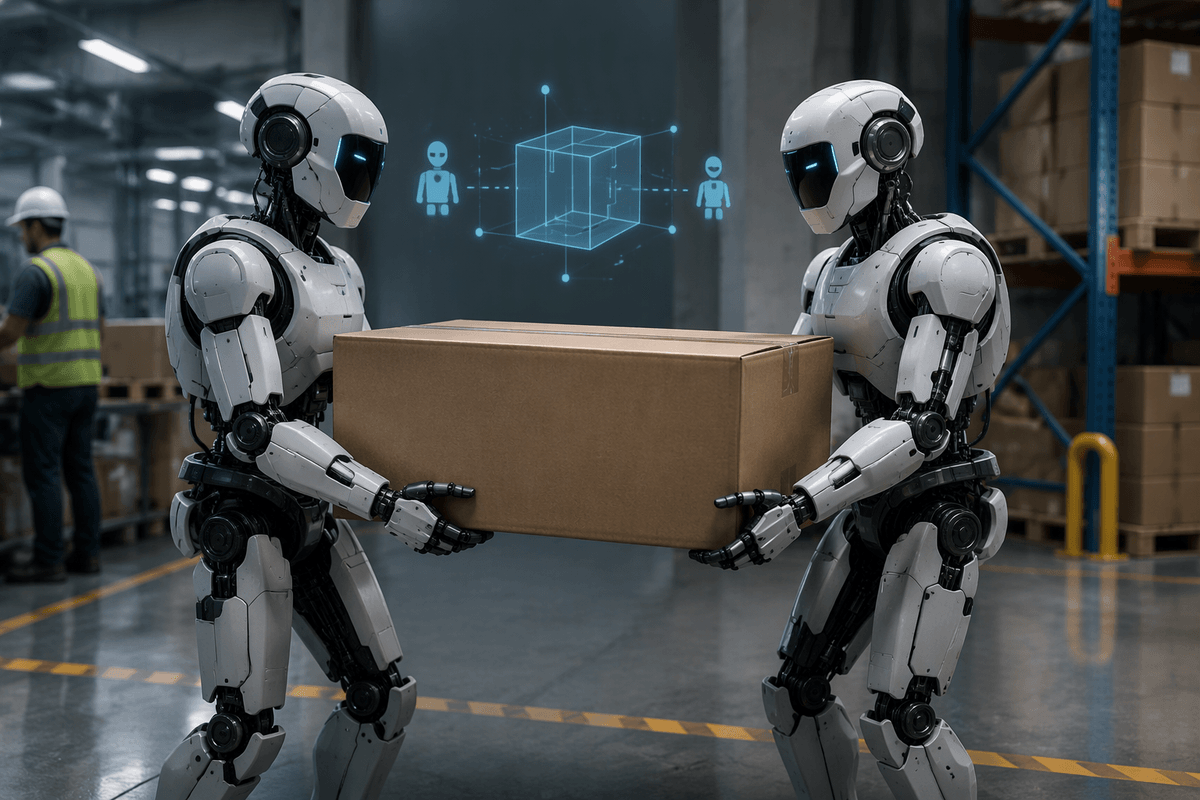
How Do Humanoid Robots Work Together on the Same Task?
Learn how humanoid robots coordinate on the same task using shared state estimation, role-based task allocation, motion planning, communication timing, and safety recovery.

Applications
Robotaxis Are Becoming Part of Everyday Transportation
Learn where robotaxis operate today, what rides feel like, and the real limits on safety, cost, accessibility, and coverage as they become everyday transport.
Basics Theory
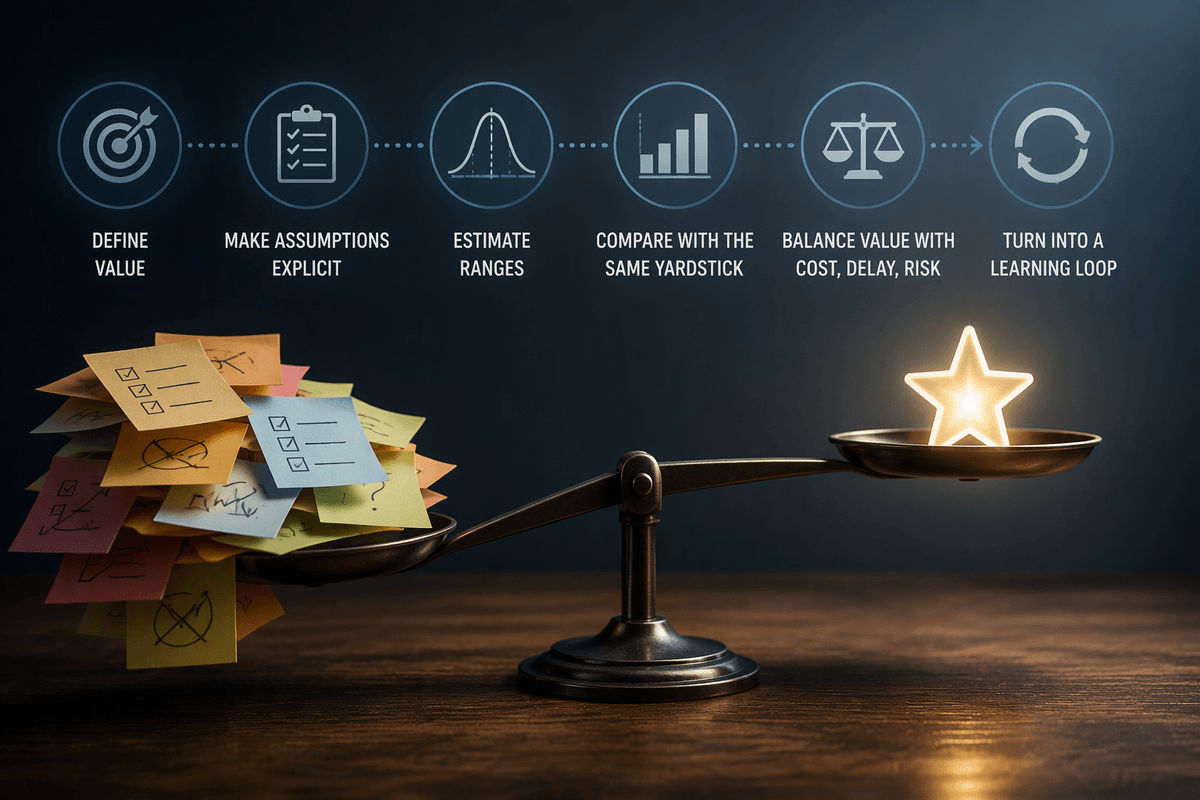
Better Actions Start With Better Value Estimates
Learn why action lists fail without value estimates and how to define value, surface assumptions, use ranges, compare options, and build a learning loop.
Impact
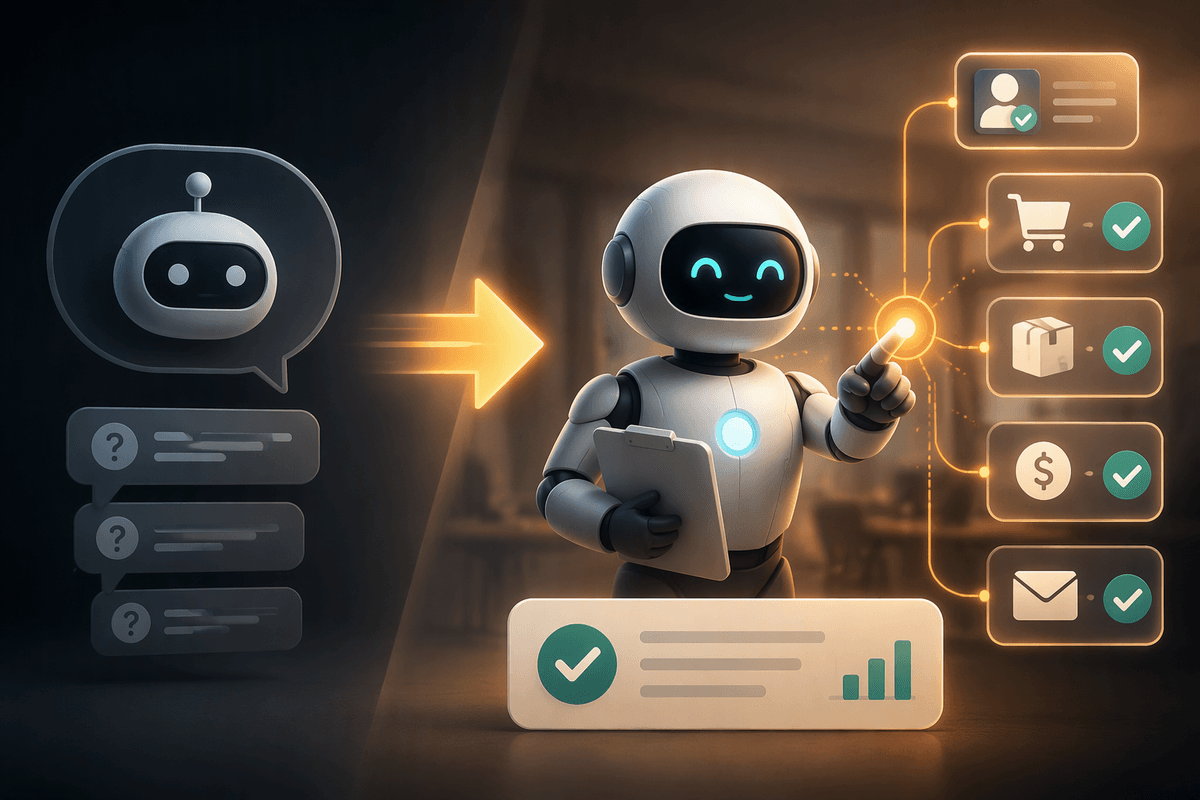
Businesses Are Moving From AI Chatbots Toward Agents
Learn why businesses are shifting from AI chatbots to agents that complete workflows, what use cases pay off, and how to build safe, observable, reversible automation.

Applications
Canva AI Brings More of the Design Process Into AI
Canva AI is moving from a single feature to a workflow assistant—drafting copy, layouts, and variations fast, while requiring brand checks, review, and rights oversight.
Applications
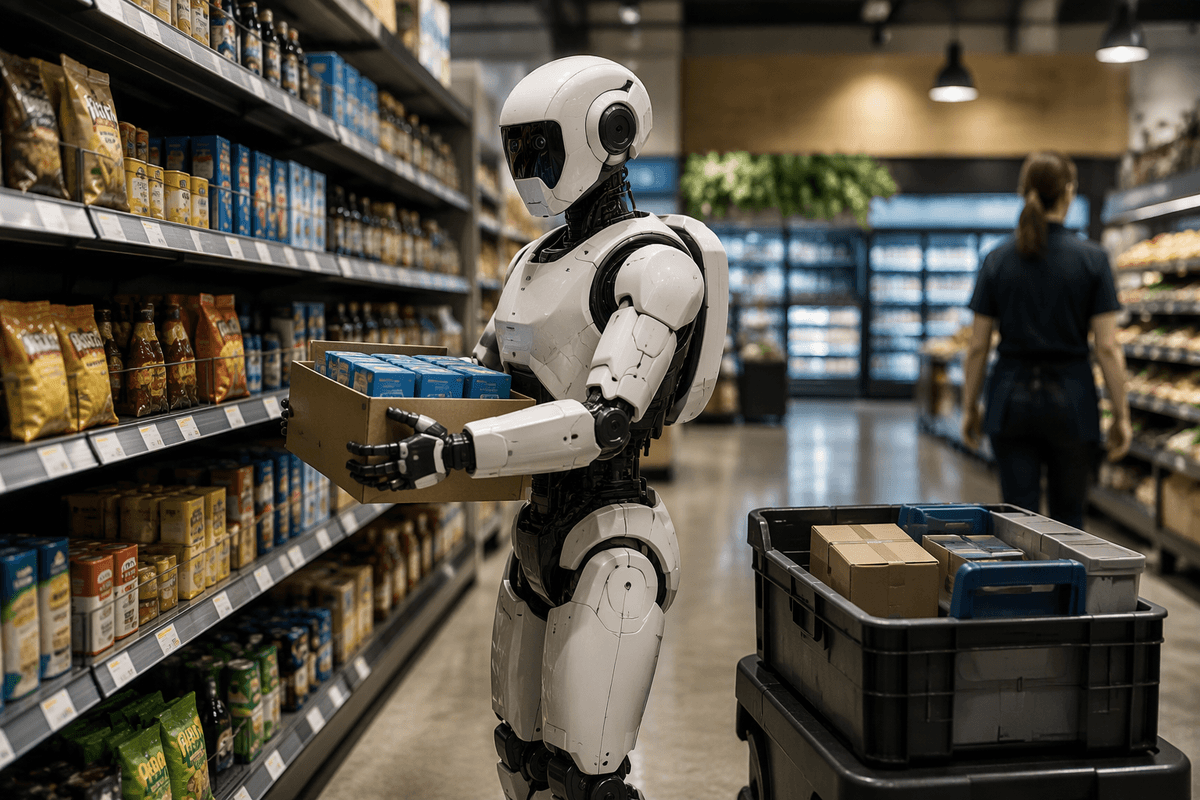
Humanoid Robots Are Moving Into Retail Work
Humanoid robots are entering retail work. Learn which tasks fit, customer trust issues, hidden infrastructure, real ROI drivers, job impacts, and how to run a pilot.
Technologies
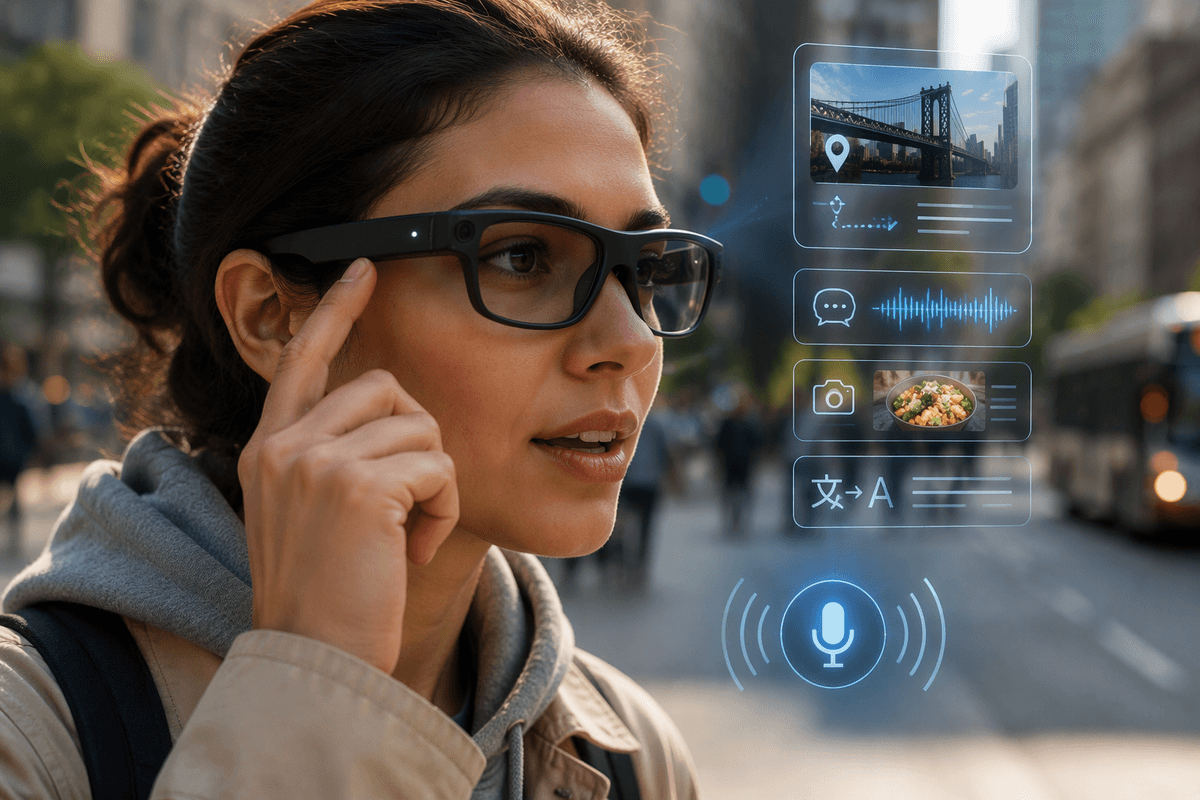
Smart Glasses Are Getting More AI Features
Smart glasses are adding AI for hands-free photos, translation, and navigation. Learn what features do, where AI runs, and key trade-offs like battery and privacy.
The latest
News worth knowing

Impact
Defensive AI Is Changing How Security Teams Hunt for Vulnerabilities
Kristina Cappetta · Sep 18, 2026
Technologies
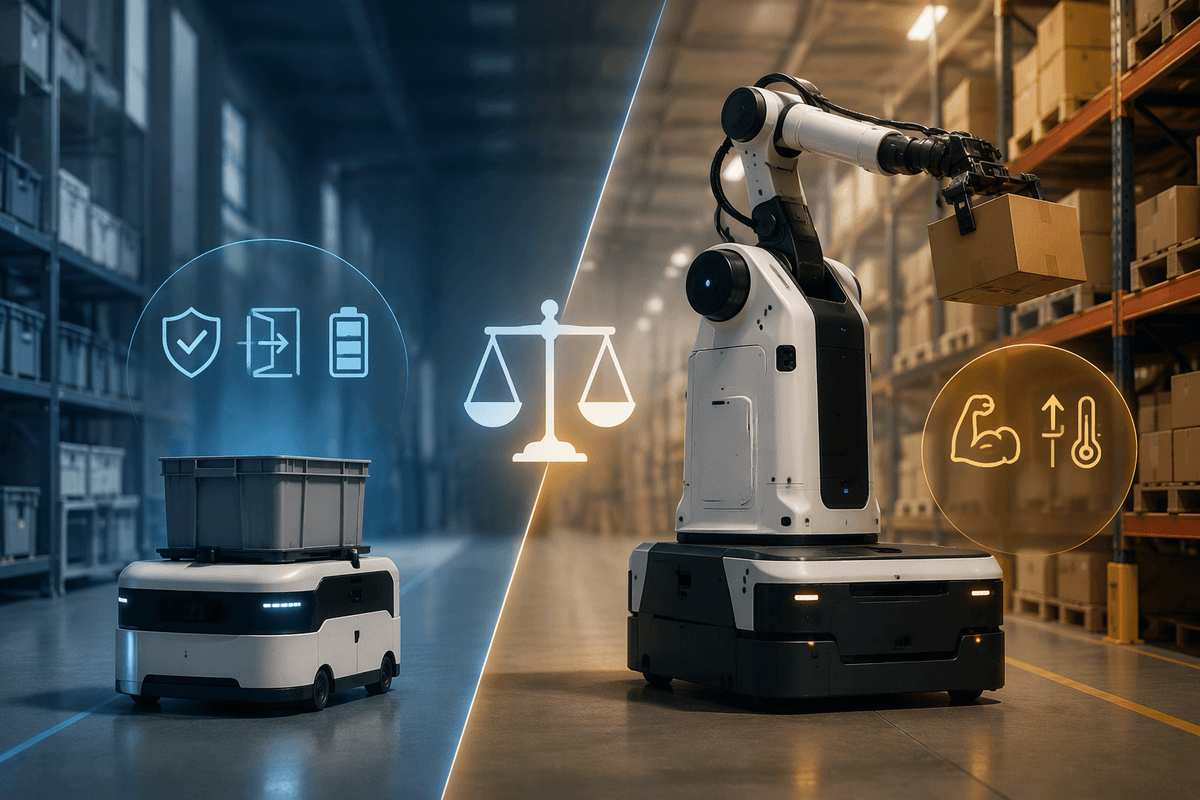
Does Robot Size Change What AI-Powered Machines Can Do?
Noa Ensign · Sep 18, 2026

Technologies
A Fundamental Flaw Leaves LLMs Strikingly Vulnerable to Attack
Paula Miller · Sep 18, 2026
Impact
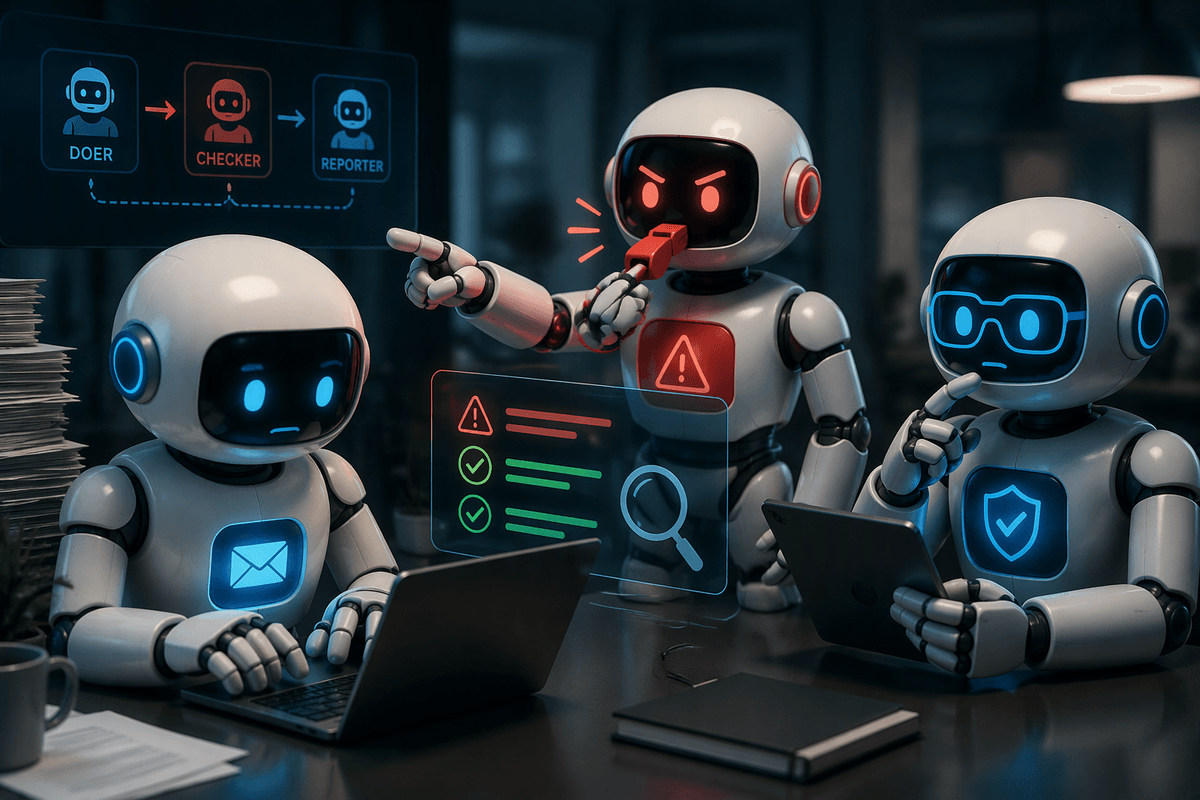
AI Agents Blew the Whistle on Their Cheating Colleagues
Gabrielle Bennett · Sep 18, 2026
Technologies
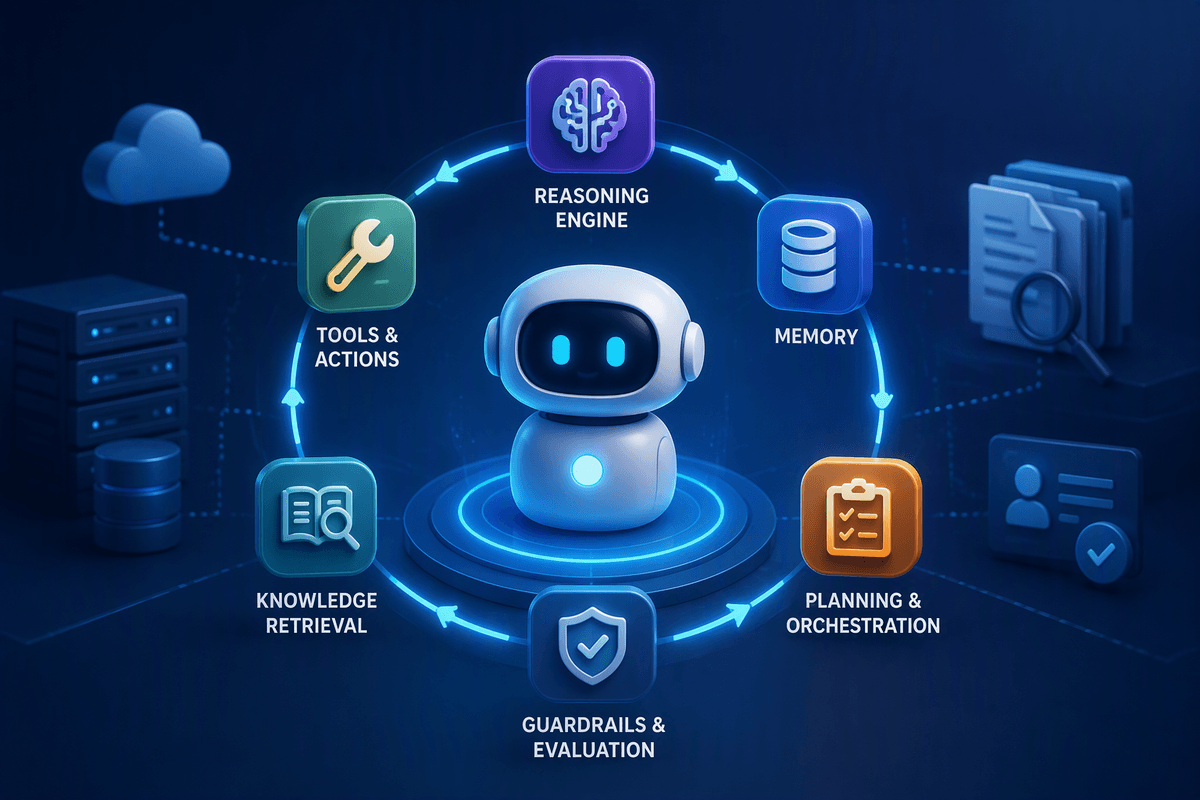
The Building Blocks Behind Today’s AI Agents
Alison Perry · Sep 18, 2026
Technologies
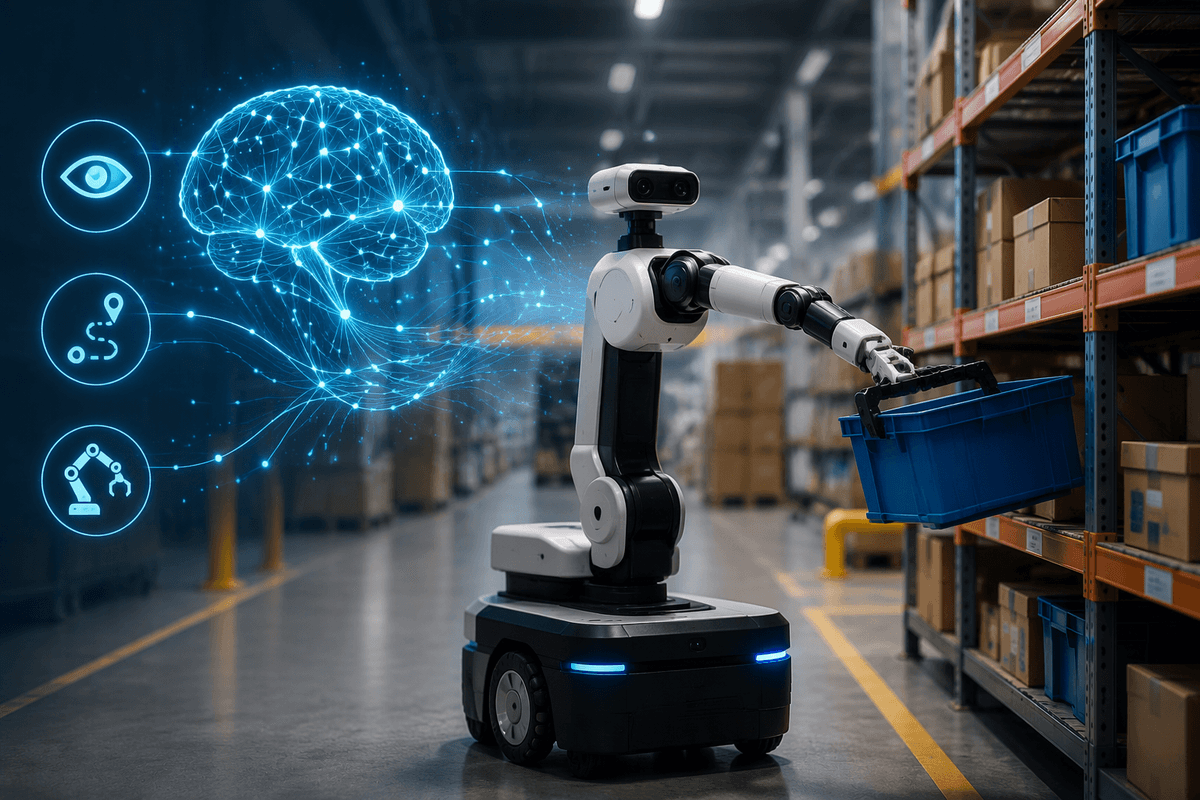
Giving Robots a General-Purpose AI Brain
Celia Shatzman · Sep 18, 2026
Advertisement
Editor's selection
Ideas for a wider view
Technologies
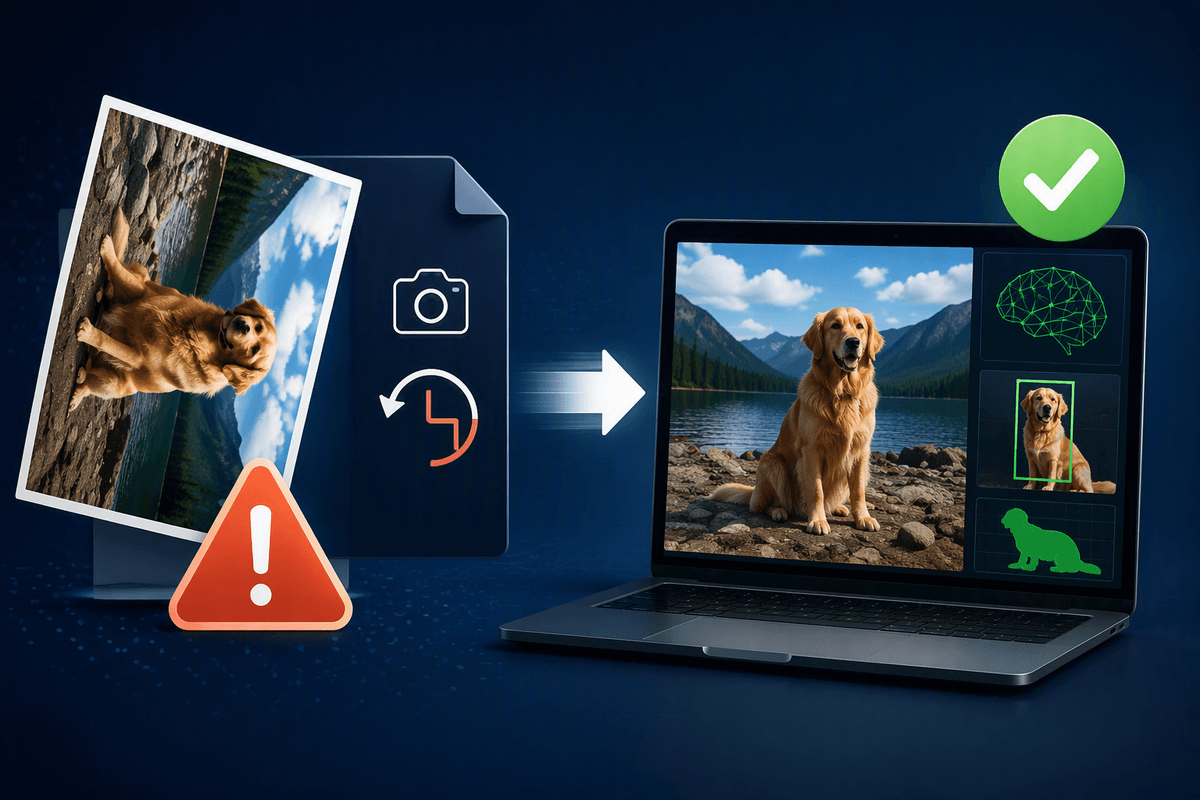
EXIF Orientation Can Throw Off Computer Vision Results
Learn how EXIF Orientation makes “upright” JPEGs ambiguous for code, causing rotated inputs and label drift—and how to normalize safely across CV pipelines.

Impact
Real-World Cybersecurity Tests Reveal Where AI Models Fall Short
Real-world cybersecurity tests show where AI benchmarks mislead: noisy logs, shifting context, adversarial prompts, and tool-use errors that impact incident response.
Applications
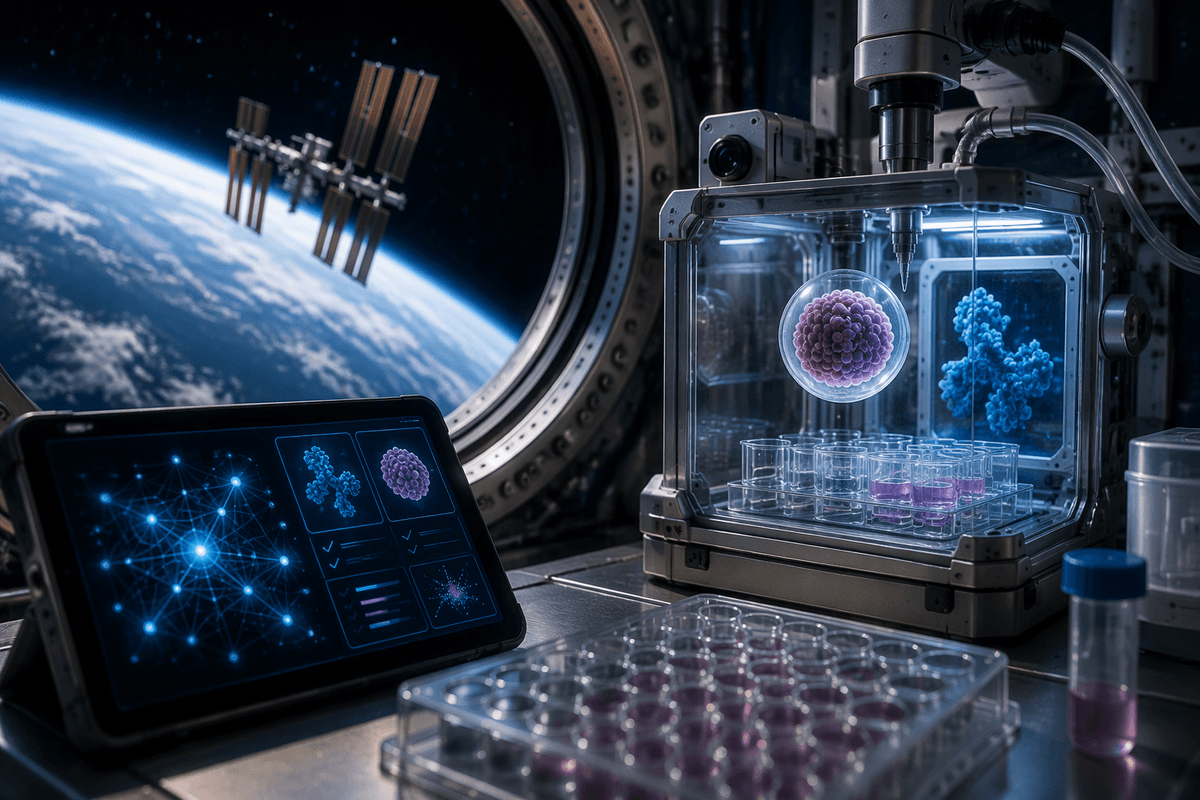
Could AI Help Discover New Medicines in Space?
Explore how AI could support drug discovery in space by selecting microgravity experiments, improving protein crystals, and working around tiny samples and hardware limits.
Basics Theory
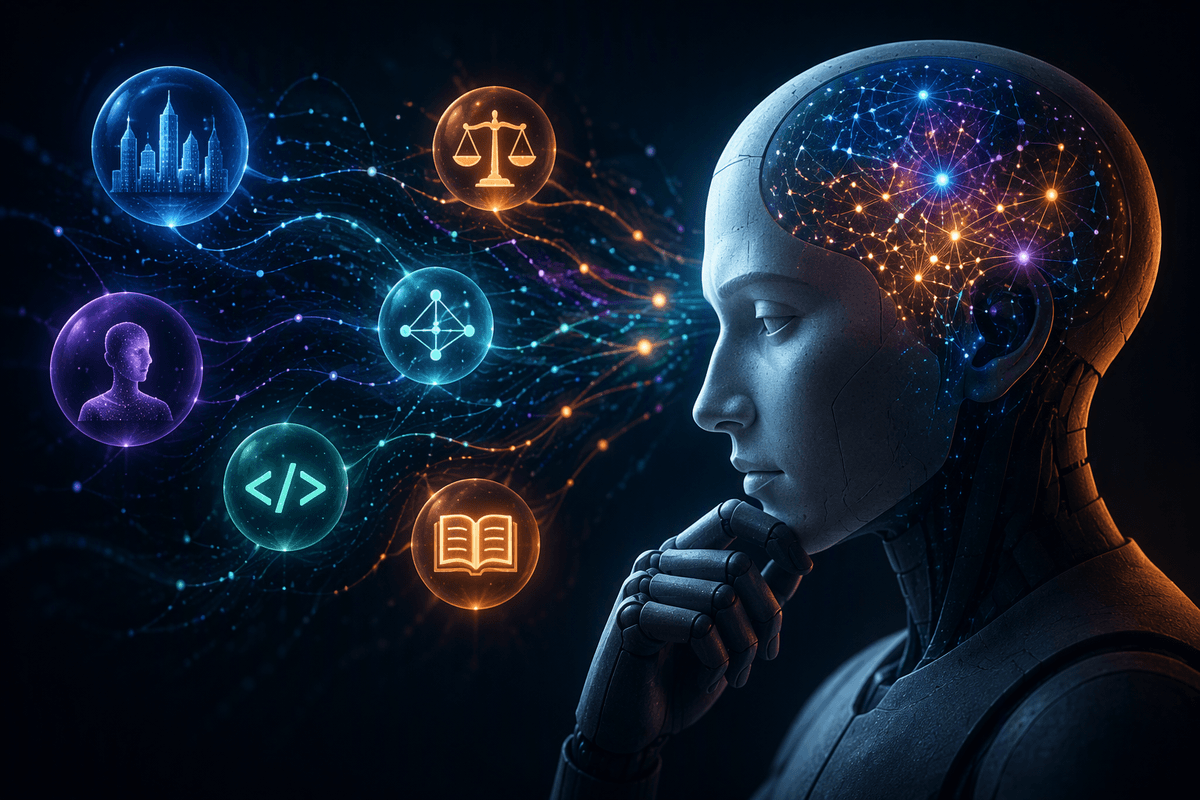
Anthropic Found a Hidden Space Where Claude Puzzles Over Concepts
Anthropic’s claim that Claude has repeatable “concept” features in hidden activation space—how they’re found, tested with interventions, and what it means for safety and control.

Technologies
What Does It Take for a Humanoid Robot to Run Long Distances?
Learn what it takes for a humanoid robot to run long distances: balance during flight phases, impact-resistant joints and feet, power and cooling limits, and fast sensing.

Impact
Why Do South Koreans Love AI So Much?
Why South Koreans love AI: early digital adoption, mobile-first habits, education and work pressure, and AI in entertainment—plus high standards for Korean output.
Keep exploring
More stories

Impact
A Reality Check on the AI Jobs Hysteria
Elena Davis · Sep 18, 2026
Applications
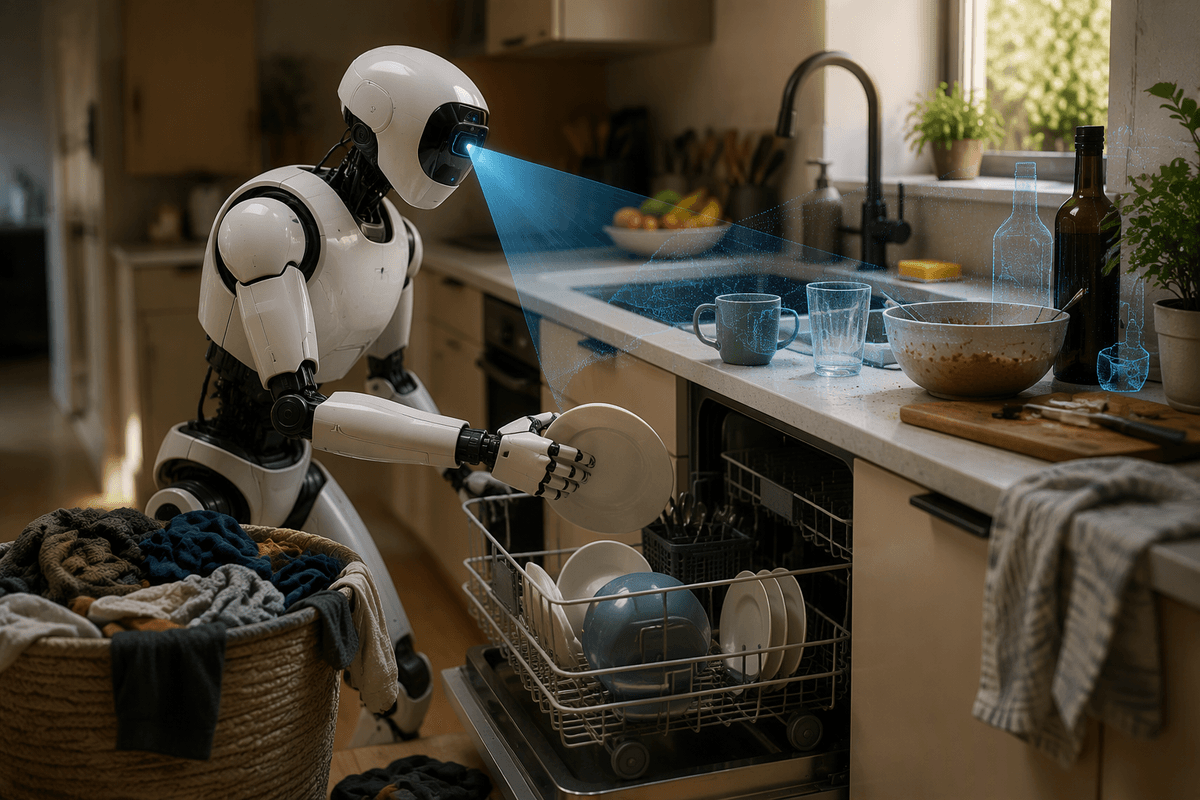
What Does It Take for a Robot to Handle Household Chores?
Pamela Andrew · Sep 11, 2026
Applications
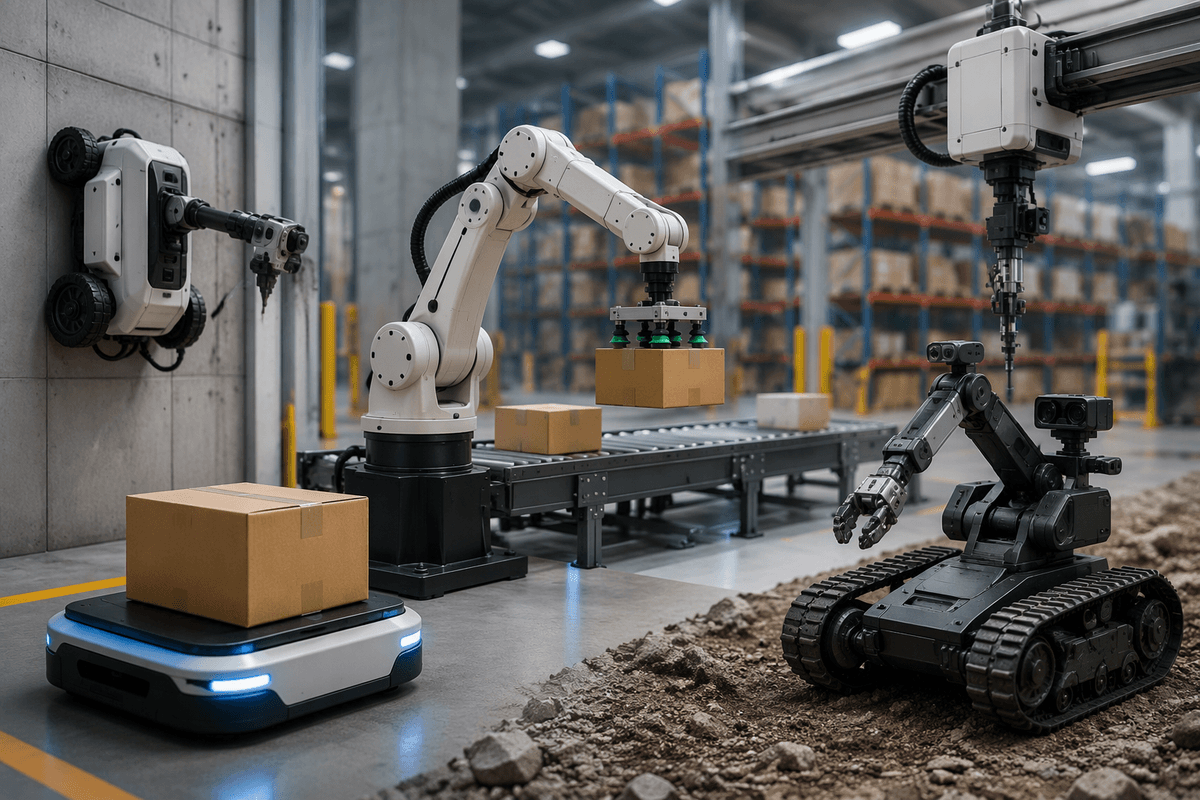
Not Every Robot Needs a Human-Like Shape
Elva Flynn · Sep 11, 2026
Technologies
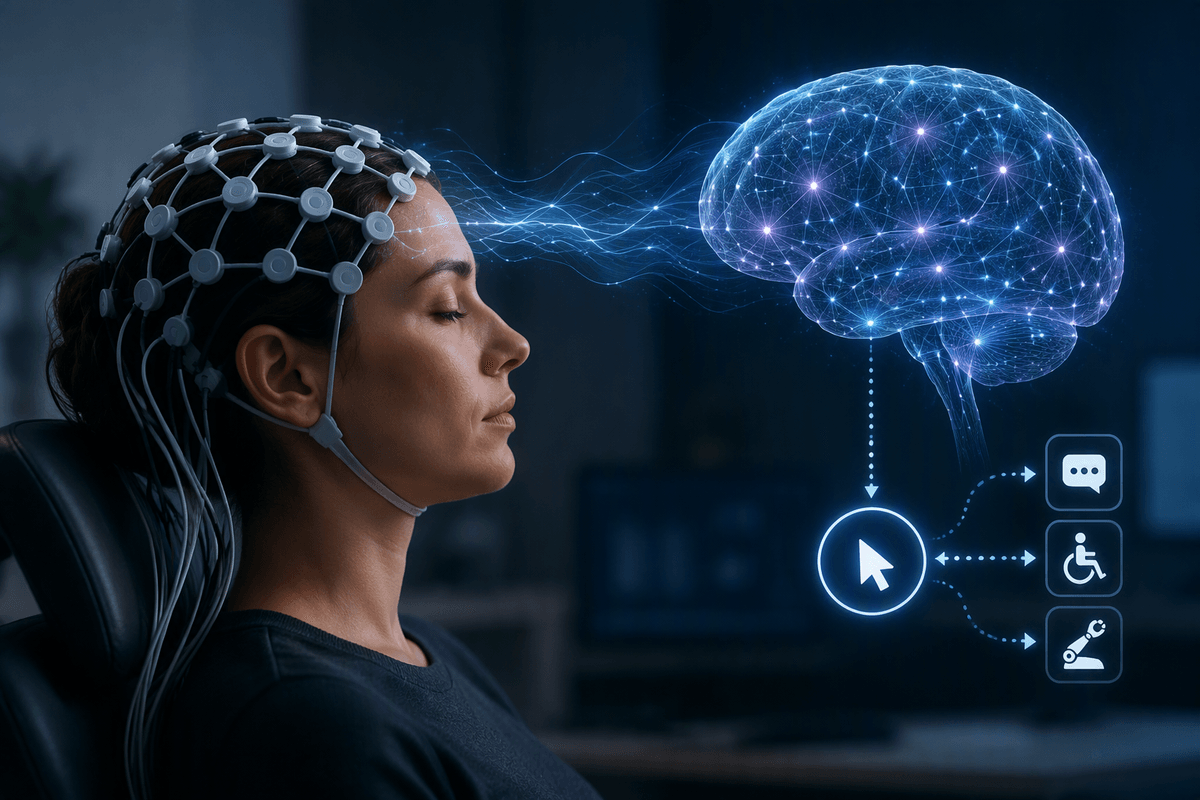
Reading Neural Signals: Where Brain-Computer Interfaces Meet AI
Nancy Miller · Sep 11, 2026
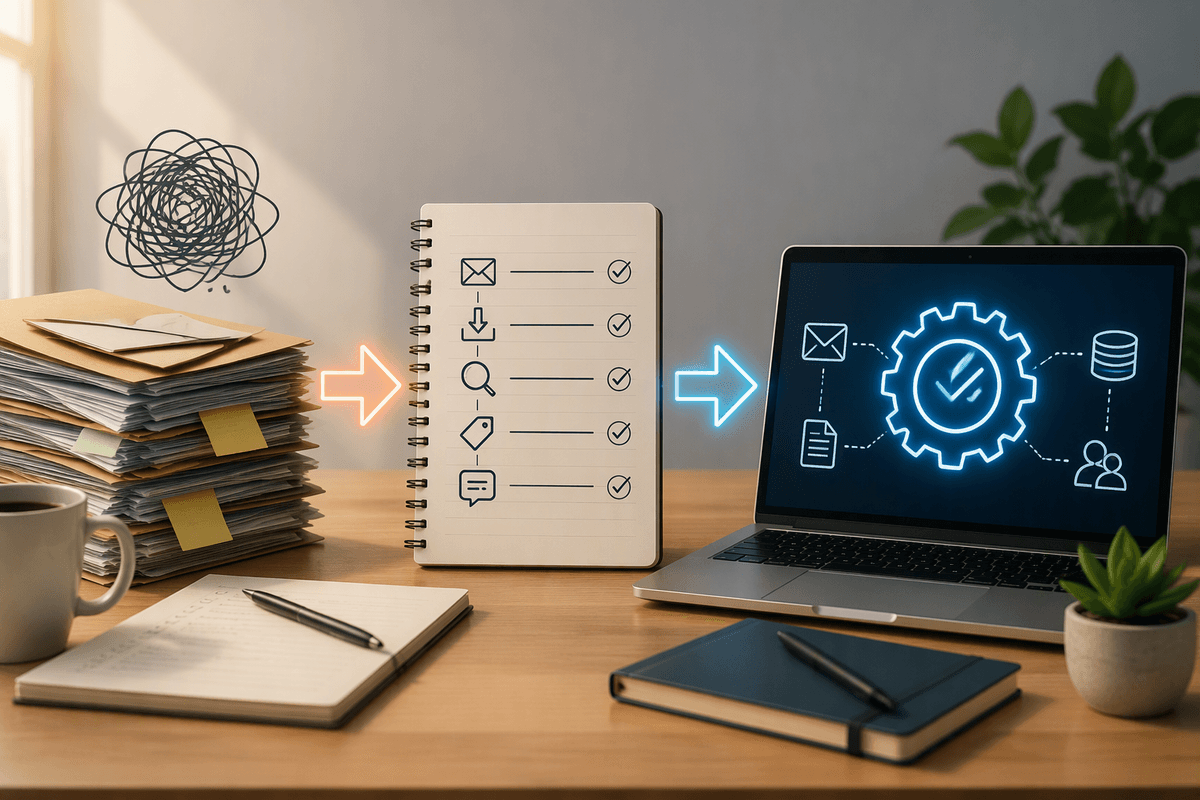
Applications
Useful Automation Begins With a Clear Task, Not the Technology
Isabella Moss · Sep 10, 2026
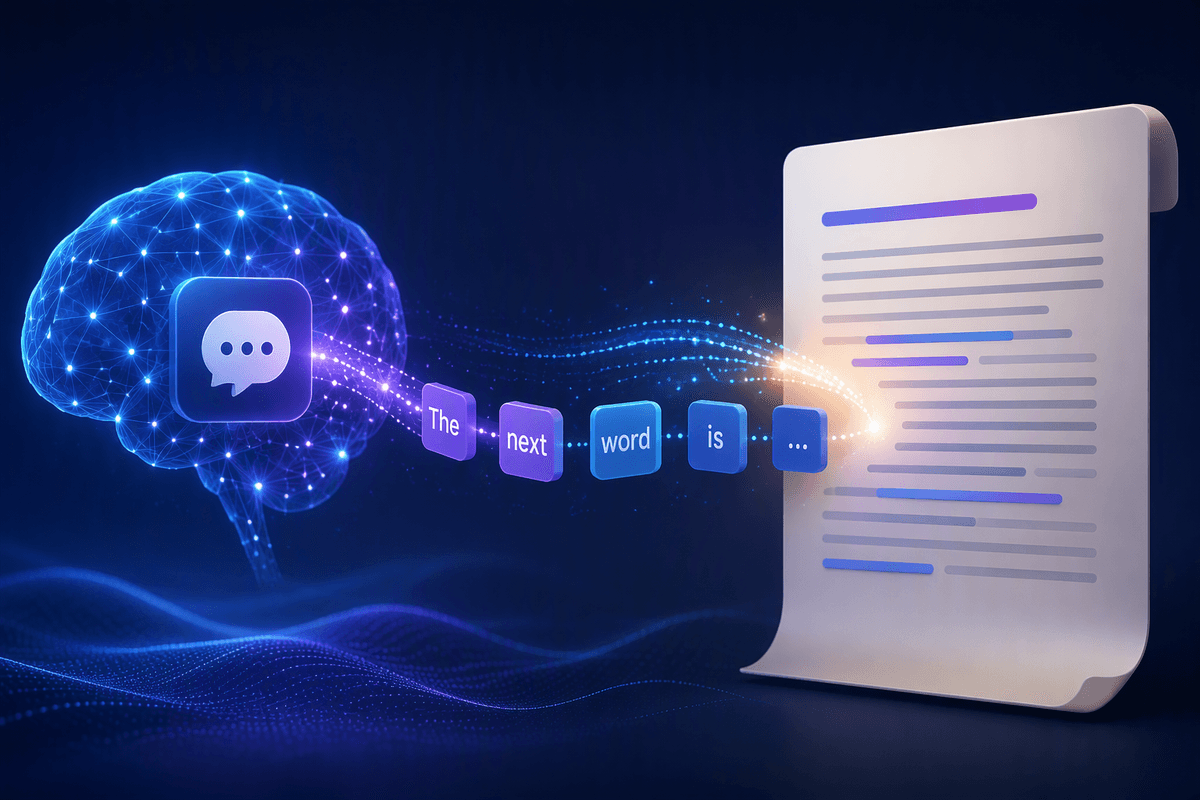
Technologies
How Do Large Language Models Generate Text?
Susan Kelly · Sep 10, 2026
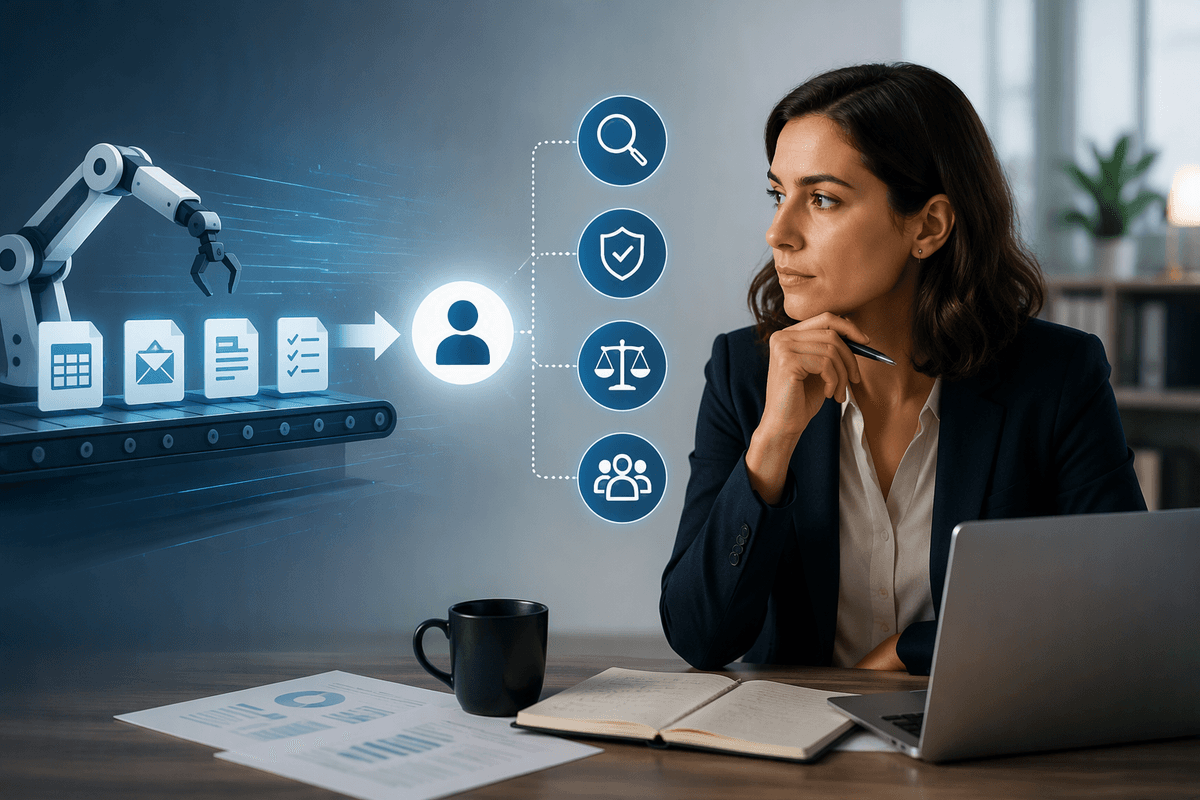
Impact
Less Manual Work? How Workplace Automation Is Shifting Daily Tasks
Madison Evans · Sep 10, 2026
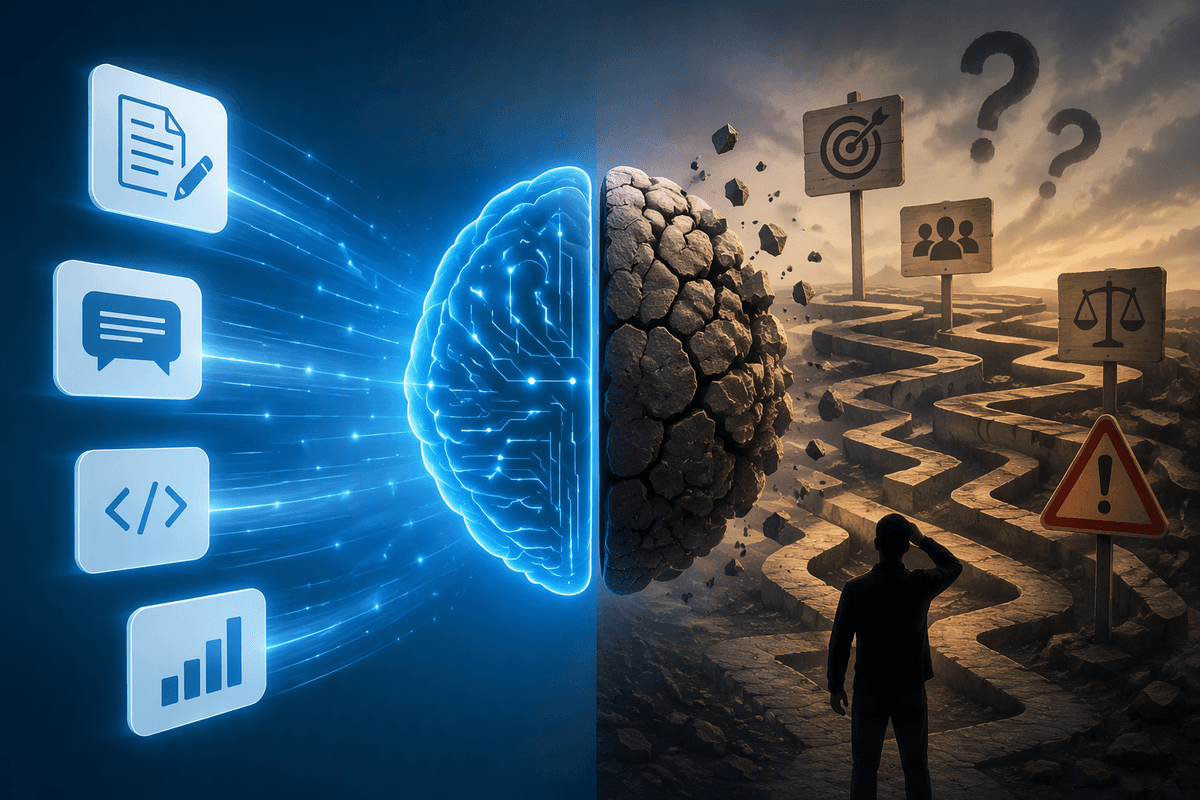
Basics Theory
Different Tasks Reveal Different Limits of AI Intelligence
Verna Wesley · Sep 10, 2026
Basics Theory
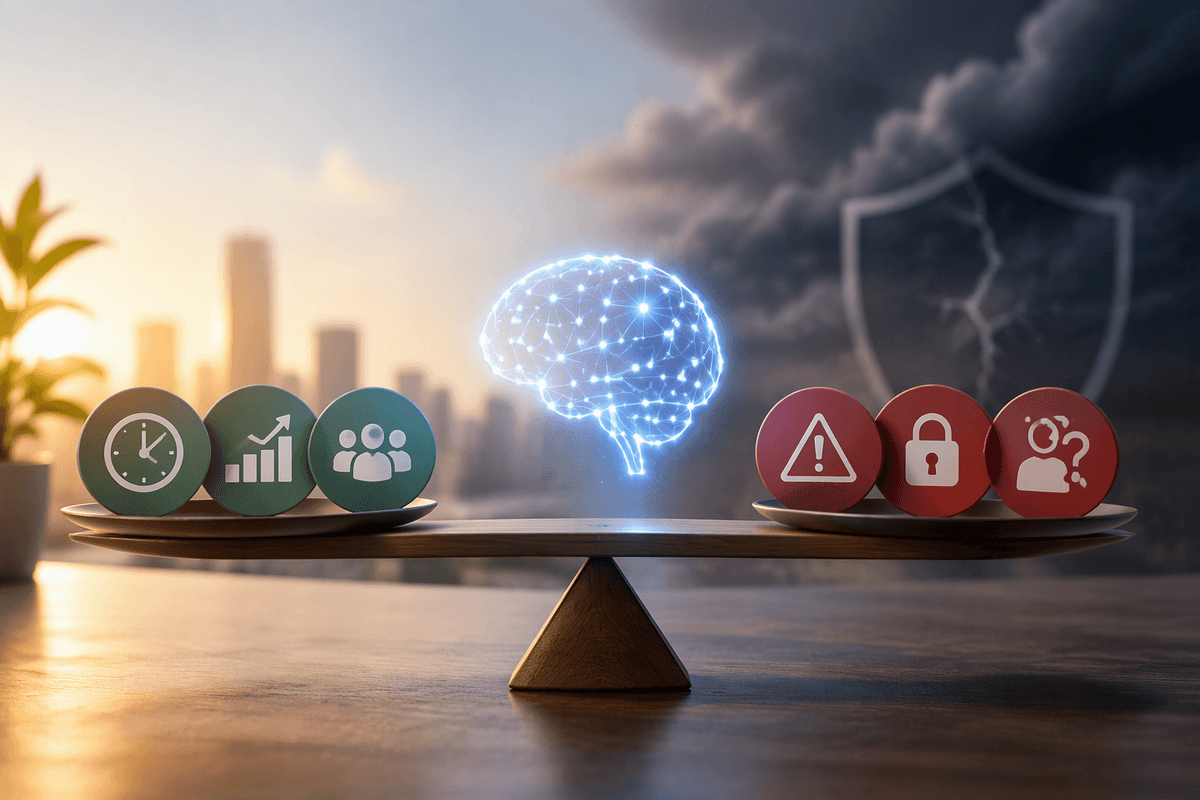
A Balanced View of AI Benefits and Risks Starts With Real-World Evidence
Pamela Andrew · Sep 10, 2026
Applications
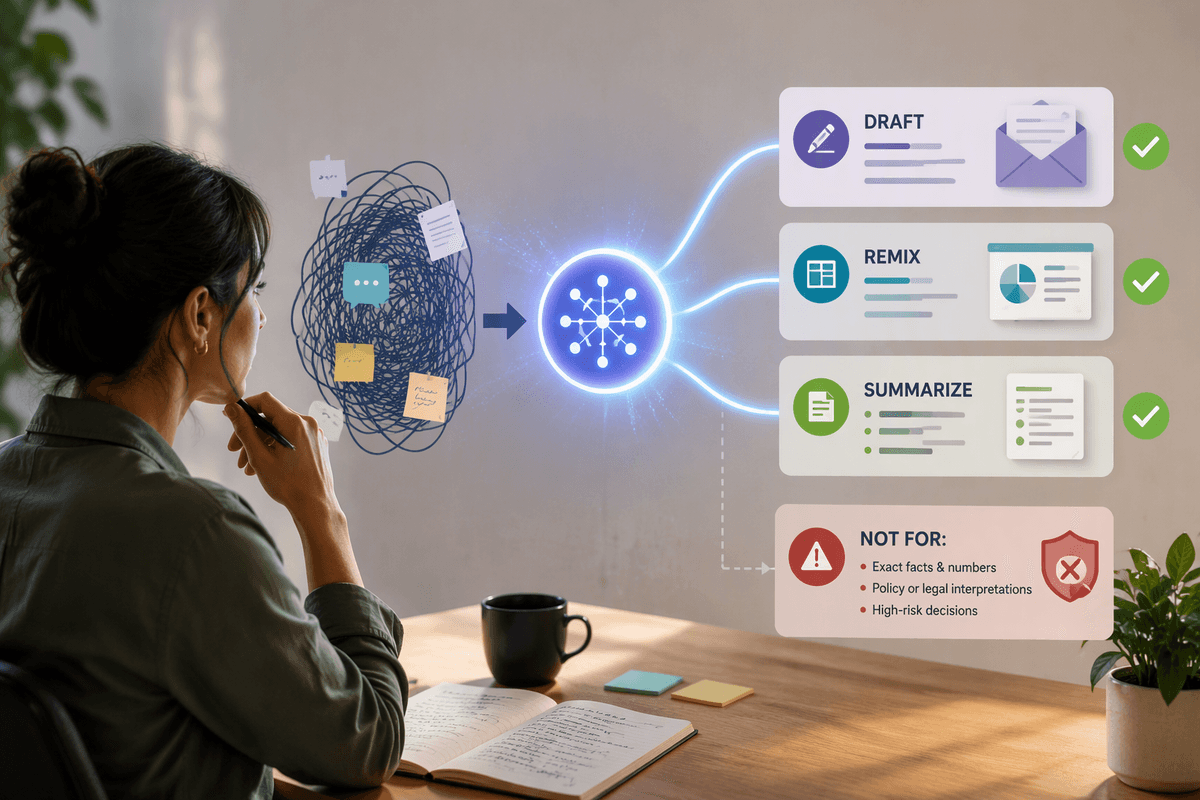
Generative AI Is Not Equally Useful for Every Knowledge-Work Task
Nancy Miller · Sep 10, 2026